Leave a Message

Thank you for your message. We will be in touch with you shortly.

Greenville Country Club Living: Homes, Lifestyle and Value

March 5, 2026

If you are drawn to tree‑lined streets, classic architecture, and the ease of getting to both Augusta Road and Downtown Greenville, the Greenville Country Club area deserves a close look. You want more than a house, you want a lifestyle that blends golf, social connection, and convenience. In this guide, you will learn how the club’s amenities shape home values, what types of properties you will find, and the practical steps to buy or sell confidently here. Let’s dive in.

Why buyers choose this neighborhood

Close‑in Greenville convenience

You are minutes from Augusta Road’s boutiques and dining, with a short drive to Downtown Greenville and Falls Park. Many streets feel peaceful and residential, yet you can be seated for dinner or on the Swamp Rabbit Trail in just a few minutes. Walkability varies by block, so plan to evaluate it by specific street when you tour.

A historic private club at the center

Greenville Country Club anchors the neighborhood with a long history and full lifestyle programming. The club highlights two championship courses, robust events, and dining within a classic clubhouse setting. For the official club story and membership contact, start with the Greenville Country Club site.

Courses and amenities that shape value

Chanticleer’s reputation and recent upgrades

Chanticleer, a Robert Trent Jones, Sr. design, is the marquee course and has benefited from high‑profile renovation work, most recently guided by Beau Welling. Coverage of the updates notes a renewed luster and improved playability that tend to elevate interest in nearby homes. For context on the latest work, see the Beau Welling renovation coverage of Chanticleer. The club’s own overview of both layouts is on the GCC courses page.

Riverside’s classic character

Riverside complements Chanticleer with a long‑standing routing that has seen updates, including a 2006–2007 redesign by Brian Silva in a Seth Raynor style, along with later agronomic improvements. While architectural attributions in older sources vary, the club’s course pages provide the most consistent account. Renovation cycles, from greens to irrigation, support the perception of club quality, which matters to buyers paying a location premium.

Lifestyle beyond golf

The club pairs golf with a full social calendar and on‑site dining. Tennis, pickleball, and a multi‑pool aquatics complex round out the experience, along with youth programming and swim team options. Membership information is private, so if club access is central to your lifestyle, reach out directly through the GCC membership page for current categories and initiation details.

Homes, lots, and architectural styles

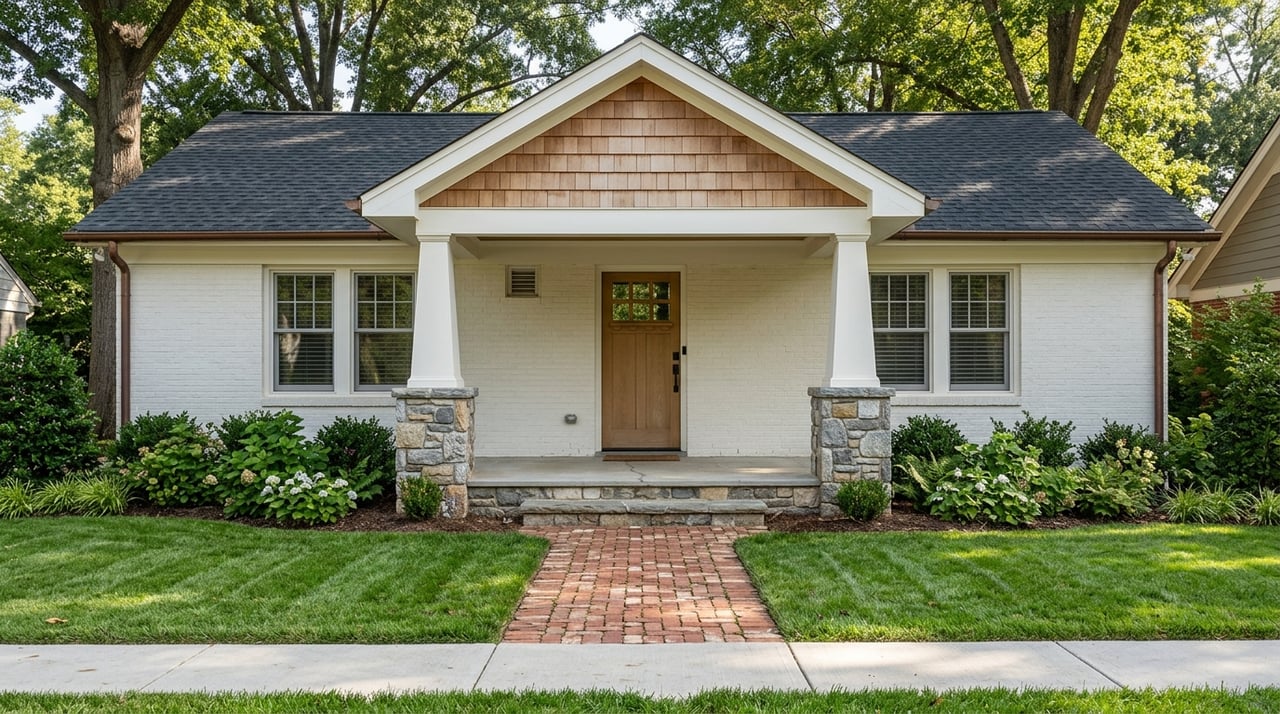
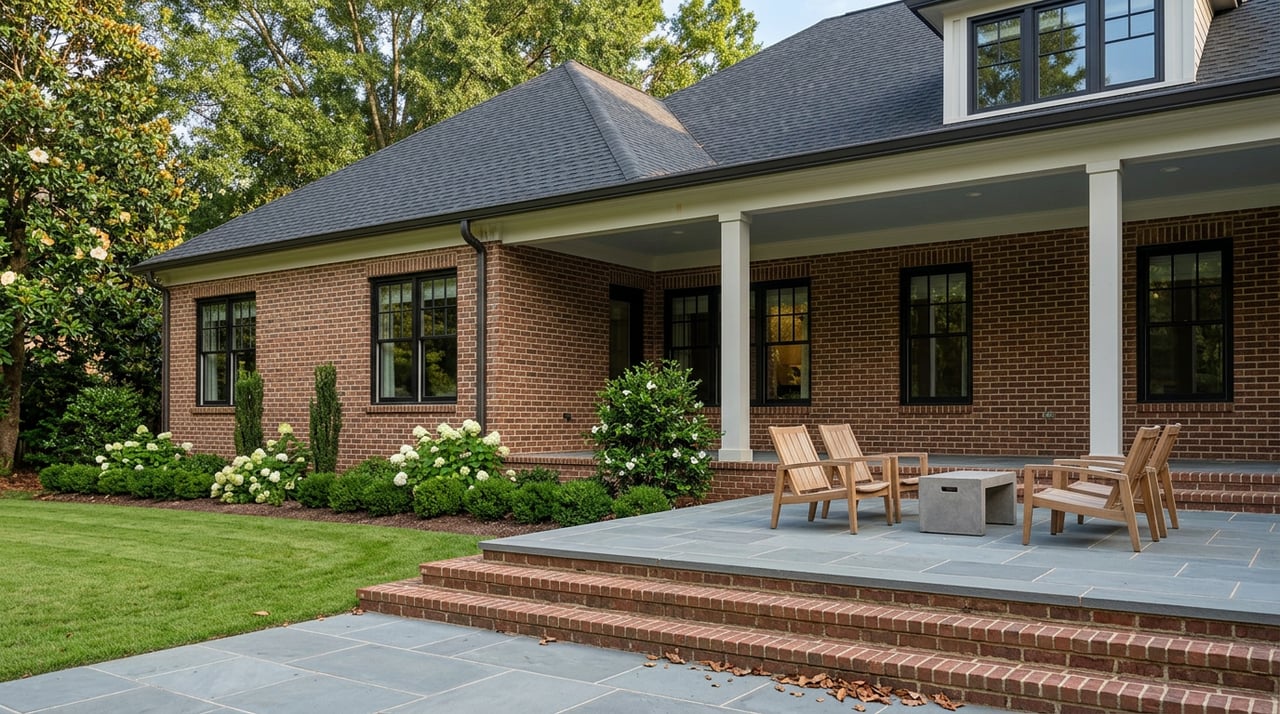
The immediate Greenville Country Club pocket is known for a thoughtful mix of eras and home types. You will find early 20th‑century bungalows and cottages, traditional Colonial and Tudor‑influenced homes, mid‑century properties, and larger historic or custom estates. Many parcels run roughly 0.2 to 0.6 acres or more, with mature landscaping that adds privacy and street appeal.

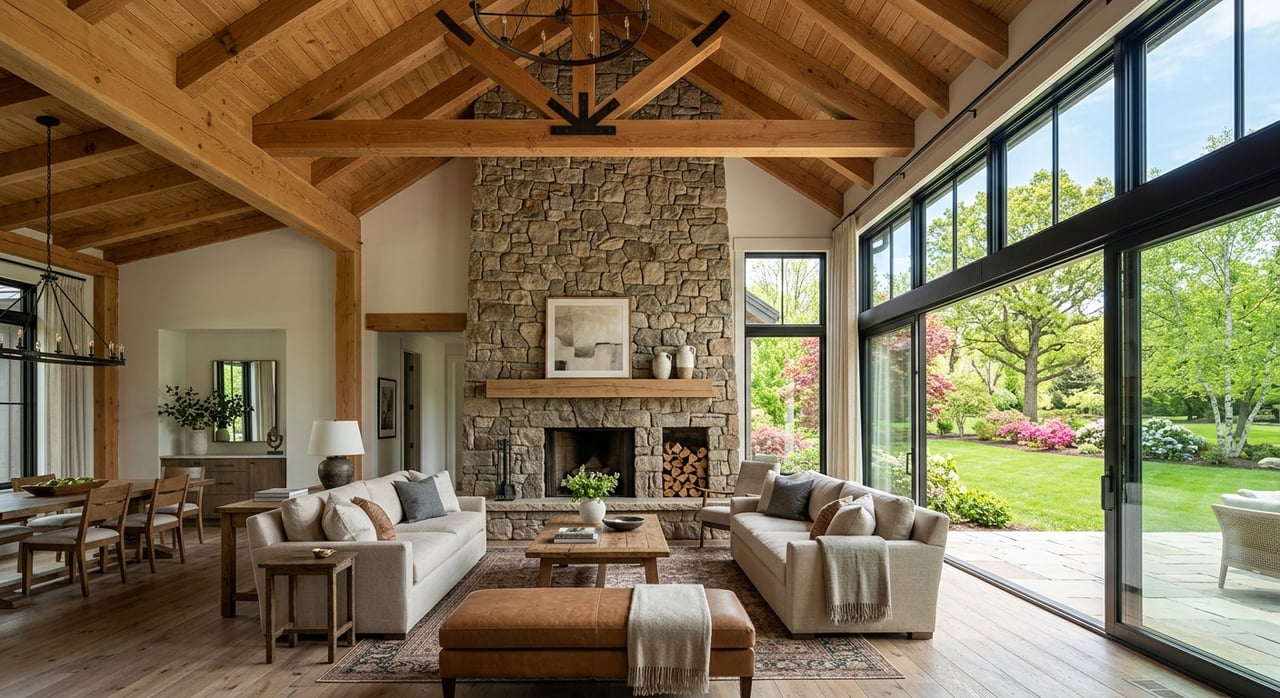
Renovation activity is common. Buyers often encounter well‑updated kitchens and baths, new systems, and expanded outdoor living. You will also see luxury rebuilds that blend classic curb appeal with modern floor plans. In the past 12 months, multiple sales in the pocket have closed above 1 million dollars, and renovated or golf‑front homes can command premium pricing per square foot.

What drives pricing near GCC

  • Proximity to the club and courses, with golf‑facing or easy walk‑to‑club lots often earning a premium. You can review club details on the GCC courses page.
  • Lot size, privacy, and mature landscaping that are scarce close in and prized by buyers.
  • House condition and quality of recent renovations, including kitchens, baths, mechanicals, and outdoor spaces.
  • Convenience to Augusta Road retail and a short drive to downtown that supports lifestyle value.
  • School assignment, which can influence the buyer pool. Always verify by address.
  • Inventory scarcity at higher price points that concentrates demand and supports stronger sale‑to‑list outcomes.

Market snapshot and value context

Neighborhood‑level snapshots suggest a healthy luxury segment. Recent data in 2026 reported an average of about 399 dollars per square foot, days on market around 75, and a sale‑to‑list ratio in the mid‑90s percent range, with clustered closings above 1 million dollars in the last year. Use these figures as directional context, then confirm with live MLS comps for your specific street and property type. You can view a current neighborhood overview on the Greenville Country Club market snapshot.

Why renovations influence home value

When a private club invests in course conditioning or facilities, it often raises the profile of adjacent homes. Chanticleer’s recent work, covered in regional golf media and noted by the club, is a good example. Upgrades can attract attention from serious golfers and lifestyle buyers, which supports stronger performance for golf‑front and near‑club properties over time. For context, review the Chanticleer renovation coverage and the club’s courses overview.

Buyer checklist for this neighborhood

  • Get pre‑approved for the expected price range, especially if shopping above 1 million dollars.
  • Contact the club about membership categories, initiation, and dues. Terms are not publicly listed, so start on the GCC membership page.
  • Verify public school assignment by address using the district’s finder. Boundaries can change, so confirm on the Greenville County Schools “Find Your School” tool.
  • Review flood risk. Parcels near the Reedy River or low‑lying tributaries can require flood insurance. Use City and County resources starting from the City of Greenville site directory, and consult FEMA maps.
  • Check taxes and districts. Effective rates vary by parcel based on municipal and special district millage. A helpful primer is the Greenville property tax guide, then verify with the county.
  • Confirm easements and golf‑course interfaces, including boundaries, maintenance paths, and any practice‑area proximity.
  • Order thorough inspections, especially for older homes, to evaluate structure, roof, electrical, plumbing, and potential legacy materials.

Seller playbook to maximize results

  • Price from tight MLS comps. Use recent sales on your street and match golf‑front versus non‑front homes to set expectations. Neighborhood medians are directional only.
  • Complete pre‑listing inspection and address predictable issues. A clean, well‑documented property can shorten days on market and support a stronger negotiation.
  • Market the lifestyle. Highlight proximity to Augusta Road, the short drive to downtown, and any club adjacency. If your home has course views or mature outdoor spaces, lean in.
  • Invest in premium visuals and floor plans. Drone views that show greens or tree canopy, clear exterior elevations, and indoor‑outdoor vignettes help buyers connect with the setting.

Schools and how to verify

Public school assignments commonly cited for this area include Blythe for elementary, Hughes Academy for middle, and Greenville Senior High variants for high school. Assignments change by parcel and year. Always confirm the current assignment for your exact address on the Greenville County Schools finder.

Parcel‑level considerations that can affect value

  • Flood zones and drainage conditions can influence premiums, insurance, and long‑term plans for outdoor living. Start with local GIS and FEMA resources via the City of Greenville site directory.
  • Effective tax rate varies by taxing district. Review recent tax bills and consult county resources after orienting with the Greenville property tax guide.
  • HOA and covenant presence can vary by street or micro‑subdivision. Confirm with the MLS, title work, and seller disclosures.

How The Light Realty supports your move

If you are relocating, upgrading, or preparing a sale near Greenville Country Club, you deserve a trusted, concierge process. Our team pairs deep Upstate market knowledge with luxury marketing standards to help you target the right streets, verify parcel‑specific details, and position your home for maximum impact. We guide you through membership questions, school verification, flood and tax nuances, and the pricing of golf‑front versus interior homes with confidence.

Ready to take the next step toward Greenville Country Club living or to list with intention? Schedule your private consultation with The Light Realty. We will tailor a plan that fits your timeline, goals, and lifestyle.

FAQs

What amenities does Greenville Country Club offer and how do I get details?

  • The club features two 18‑hole championship courses, dining, events, and a full social calendar. Membership information is private, so request current categories and fees on the GCC membership page.

How much do homes near Greenville Country Club cost right now?

  • Recent activity shows multiple closings above 1 million dollars, with a 2026 neighborhood snapshot reporting about 399 dollars per square foot and roughly 75 days on market. See the latest context on the Greenville Country Club market snapshot, then confirm with live MLS comps.

Do course renovations affect home values in GCC?

  • Yes, club investments often heighten buyer interest and support premiums for golf‑front or near‑club homes. Chanticleer’s recent work, highlighted in regional coverage, is a current example. Review the Chanticleer renovation coverage.

Which public schools serve the Greenville Country Club area?

  • Assignments commonly cited include Blythe Elementary, Hughes Academy, and Greenville Senior High variants, but they change by parcel and year. Always verify on the Greenville County Schools finder.

Is the neighborhood walkable and close to downtown Greenville?

  • The area is close to Augusta Road and a short drive to downtown. Walkability varies by street, so evaluate specific blocks during tours and confirm your daily routes.

What should I check before buying a golf‑course home here?

  • Verify property lines and easements along the course, understand any maintenance or cart‑path adjacency, and assess flood risk, insurance needs, and privacy landscaping during due diligence.

Work With Us