May 7, 2026
If you are dreaming about a second home that feels like a getaway and a long-term asset, Lake Lure is easy to put on your shortlist. You get mountain scenery, lake-centered recreation, and a resort-town setting that can support both personal use and rental interest. The key is knowing how lifestyle, rules, and carrying costs all work together before you buy. Let’s dive in.
Lake Lure offers a blend that many second-home buyers want but do not always find in one place. The town describes itself as a recreation-based resort community, and the lake is clearly the center of that identity. With roughly 800 acres of water and about 20.5 miles of shoreline, the setting shapes both the ownership experience and the market.
Location also plays a big role in Lake Lure’s appeal. Town planning materials place it about 25 miles southeast of Asheville, 90 miles northwest of Charlotte, and 30 miles north of Spartanburg. That regional access can make it more practical for weekend use, extended seasonal stays, or a flexible retreat that you visit often.
The landscape adds to the draw, but it also affects the buying decision. Elevation varies widely, and the terrain is steep in many areas. That means a home’s views, road access, lot usability, and maintenance needs can differ a lot from one property to the next.
In Lake Lure, you are not just buying a house. You are buying into a lifestyle that often revolves around the water, the mountains, and a slower pace when you arrive. The town highlights canoeing, fishing, pleasure boating, and water skiing as core lake activities, which helps explain why water access carries so much weight in this market.
That said, buyers should stay grounded in current conditions. In spring 2026, the town reported that Lake Lure remained closed to unauthorized use while refilling continued after Hurricane Helene, with a target of Memorial Weekend 2026 for reopening if conditions allowed. If you are evaluating a purchase right now, it is wise to separate the market’s long-term appeal from short-term recovery realities.
Seasonality matters too. Local materials describe moderately warm, humid summers and moderately cold winters, while nearby resort-style amenities are often most active from Memorial Day weekend through Labor Day weekend. In practical terms, that points to a strong warm-season pattern for second-home enjoyment and for visitor demand.
If you want your second home to help offset costs, rental potential may be part of the plan. In Lake Lure, that means you need to treat local regulations as part of the investment analysis from day one. This is not a market where you should assume any home can operate as a short-term rental without careful review.
The town defines a residential vacation rental as the rental of any portion of a single-family dwelling, and in some zoning districts a duplex, for less than 30 days. The town also states that this activity is a commercial use of the home and property. That distinction matters because it affects permitting, operations, and how you should underwrite income expectations.
A Vacation Rental Operating Permit is required. The application process includes items such as:
The town also notifies contiguous property owners after approval. For buyers, that means the path to rental use is structured and very specific, not casual or automatic.
Many buyers focus on the purchase price and expected nightly rate. In Lake Lure, occupancy and parking rules can be just as important to your numbers. The town caps overnight occupancy at two people per bedroom plus four additional persons, with a 12-person maximum for newer permits, and it requires one parking space for every two rental bedrooms.
These standards can change how a larger home performs on paper. A property that looks like a high-capacity rental at first glance may not support the guest count you expected once local rules are applied. That is one reason second-home buyers should review the full operating picture before deciding a property will produce a certain level of income.
There is also an added policy consideration. The town created a Short-Term Rental Advisory Board in 2024 to recommend updates and operational improvements. That suggests the rules may continue to evolve, so it is smart to build flexibility into your projections rather than relying on best-case assumptions.
Lake Lure is a tourism-dependent market, but 2026 is not a normal year. With the lake still in recovery mode during spring 2026 and reopening tied to conditions, near-term rental performance may not fully reflect the market’s typical seasonal pattern. Boating, beach access, and visitor activity all influence the appeal of a second home here.
That does not mean the opportunity disappears. It means your underwriting should be cautious until lake operations and visitor patterns stabilize. If you are buying for both enjoyment and future income, patience and realistic planning matter more than optimistic spreadsheets.
At the county level, Rutherford County may levy a room occupancy tax of up to 6 percent, in addition to state and local sales tax. That is another line item to account for when you estimate net rental performance. Gross income is only part of the story.
Current market trackers point to a buyer-leaning environment, though each source measures the market differently. As of March 2026, Redfin reported a median sale price of $562,500 and about 256 days on market, Zillow reported an average home value of $449,312 as of March 31, 2026, and Realtor.com characterized Lake Lure as a buyer’s market.
The exact figures are less important than the broader takeaway. Buyers may have more room to evaluate options carefully, compare carrying costs, and negotiate with discipline. In a second-home market, that breathing room can be valuable because the best purchase is often the one that fits your use case, not just the one with the strongest photos.
Not every Lake Lure property delivers the same lifestyle or cost structure. The community you choose can affect amenities, fees, rental positioning, and how hands-on ownership feels over time. That is especially important if you are balancing personal enjoyment with part-time rental use.
Rumbling Bald is one of the clearest examples of a full-service resort community in Lake Lure. Official materials state that owners receive access to golf, wellness amenities, dining, lakefront swimming, boat slips, kayak and pontoon rentals, and other year-round amenities.
That level of access comes with meaningful fees. The 2026 schedule lists improved-property POA dues of $4,967 and a one-time capital fee of $11,000 for improved property, with additional HOA dues for condos and townhouses. For some buyers, that is worth it for the convenience and amenity package. For others, it may be more overhead than they want for a second home.
Vista at Bills Mountain appears to offer a different ownership profile based on current market listings. Listings describe it as a gated mountain community with a clubhouse, fitness center, pool, tennis, trails, mountain views, and some water-view parcels. One active listing showed HOA dues of $250 per month and private-road access.
Those details come from current listings rather than official governing documents, so they should be verified during due diligence. Still, the general picture is useful. This type of community may appeal to buyers who want mountain views and shared amenities without a heavier resort-style fee structure.
Blue Heron Point appears to be more of a lake-access or waterfront-oriented play based on current listings. Listing details reference mountain and lake views, paved roads, underground utilities, lake access, city sewer, community well service, and HOA dues around $570 annually on some listings.
That profile can appeal to buyers who place a premium on water access and view value. It may also feel less like a resort club and more like a traditional lake neighborhood. As with any listing-based information, buyers should confirm the final legal and operational details before moving forward.
In Lake Lure, pricing is shaped by more than square footage. A true waterfront home, a lake-access property, and a high-elevation view home can all offer very different ownership experiences. Privacy, outlook, slope, parking, and ease of getting to the house all matter.
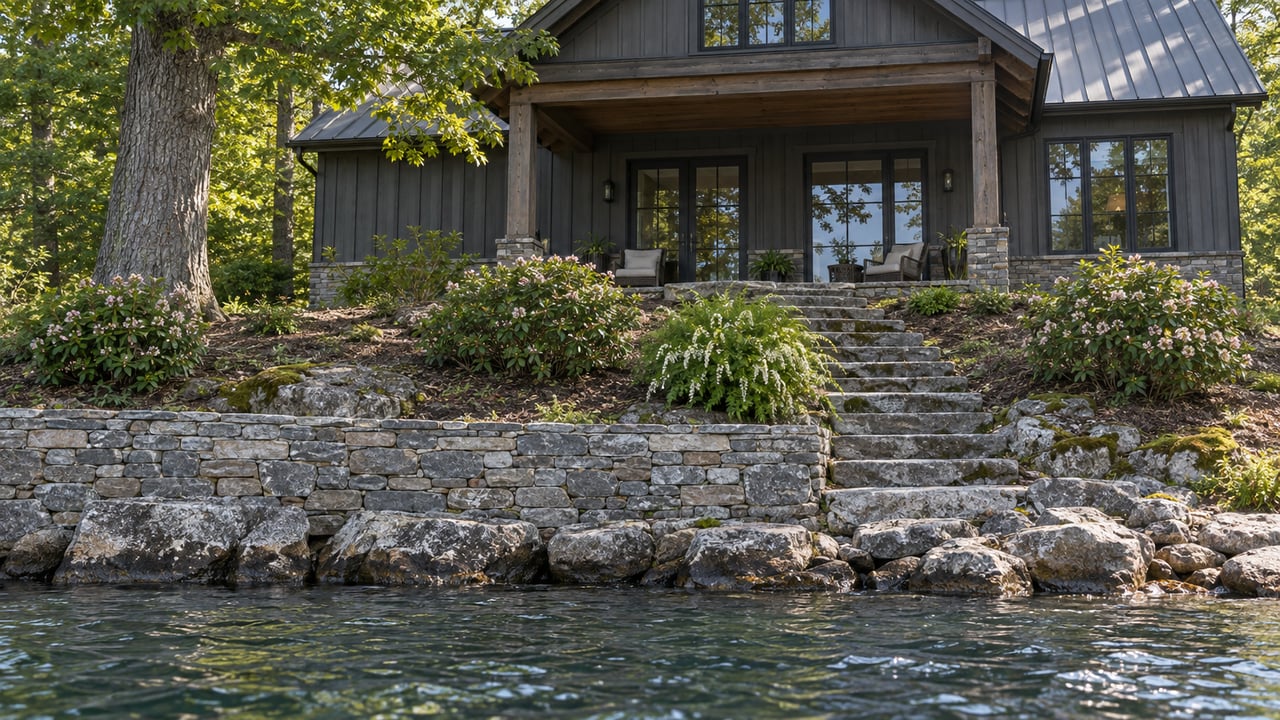
This is where local guidance becomes especially valuable. A mountain-view parcel may deliver dramatic scenery but come with steeper roads or more complex site work. A waterfront home may command a premium because it offers direct lake access, but it can also bring added operational and permitting considerations if boating is part of your plan.
Second-home buyers sometimes focus on finishes and views while underestimating infrastructure. In Lake Lure, the basics matter. Town planning materials note that many residences rely on septic systems, not all properties are served by town water, road maintenance may be handled by the town or by property owners associations, and there are no public gas lines in town.
Those factors can affect convenience, operating costs, and long-term planning. They also matter even more if you will not be living at the property full time. A second home works best when the ownership demands match the amount of oversight you want to provide.
The town is also in the middle of major infrastructure work. Its annual report notes state funding for dam replacement, ARPA funding for water and wastewater infrastructure, and a low-interest loan for sewer-system replacement. In March 2026, town updates also referenced debris removal, shoreline cleanup, water-quality testing, marina reconstruction, and continued lake refilling.
That does not mean you should avoid the market. It means you should approach it with a clear eye toward resilience, timelines, and the practical side of ownership.
For many buyers, boating is part of the appeal of owning at Lake Lure. The town requires annual boat permits, and its rules distinguish between resident, non-resident, daily, seasonal, and commercial use categories. If your property strategy includes watercraft, that should be part of your budget from the start.
If you plan to rent the home and include a boat, there is another step. The town’s vacation rental permit process requires proof of a commercial boat license if the rental includes a boat. That means a home with kayaks, canoes, or boat access may offer added guest appeal, but it can also come with more operational requirements.
The strongest Lake Lure second-home purchases usually begin with a simple question: How do you want to use the property first? If your top goal is personal escape, you may prioritize view corridors, privacy, and amenity access. If your goal includes rental support, you will likely need to focus more on permit readiness, parking, occupancy rules, and seasonal demand.
A practical way to compare options is to look at each property through four lenses:
When you view Lake Lure through that framework, the decision becomes clearer. The best purchase is rarely the one with the most dramatic headline promise. It is the one that aligns with your lifestyle, your tolerance for complexity, and your long-term plan.
If you are considering a second home in Lake Lure, a concierge approach can make all the difference. The right guidance helps you compare communities, verify property-specific details, and weigh lifestyle value against real operating costs. When you are ready for a tailored strategy, connect with The Light Realty.
Stay up to date on the latest real estate trends.
Get In Touch With Our Team To Learn More