December 18, 2025
Are you picturing a morning workout, a tee time after lunch, and a sunset hike without leaving your neighborhood? You are not alone. Across the Landrum and Spartanburg area, more buyers are choosing private club and gated community living for the amenities, convenience, and built‑in social life. In this guide, you will learn why interest is rising in Upstate South Carolina and nearby Western North Carolina, what to expect from today’s clubs, and how to decide if this lifestyle fits your goals. Let’s dive in.
Upstate South Carolina has been a growth corridor in recent years, supported by regional job gains, a lower cost of living, and four-season recreation. Nearby Western North Carolina attracts second‑home buyers and retirees who want mountain scenery and cooler summers. According to migration and population estimates, the Carolinas continue to draw movers from around the country who value lifestyle and outdoor access.
Several buyer groups are fueling demand for club living. Retirees and empty nesters want maintenance‑simplified homes with wellness, dining, and social programming close by. Remote and hybrid workers seek quiet, high-quality homes with strong community amenities and access to Greenville and Spartanburg employment centers. Second‑home and seasonal buyers from the Mid‑Atlantic, Northeast, and Midwest appreciate the mountain and lake settings, while local affluent buyers and families value consolidated amenities and social networks.
Industry trend reports since 2020 also show a higher premium on outdoor space and lifestyle-rich communities. In this region, clubs that blend experiences with housing are seeing strong interest.
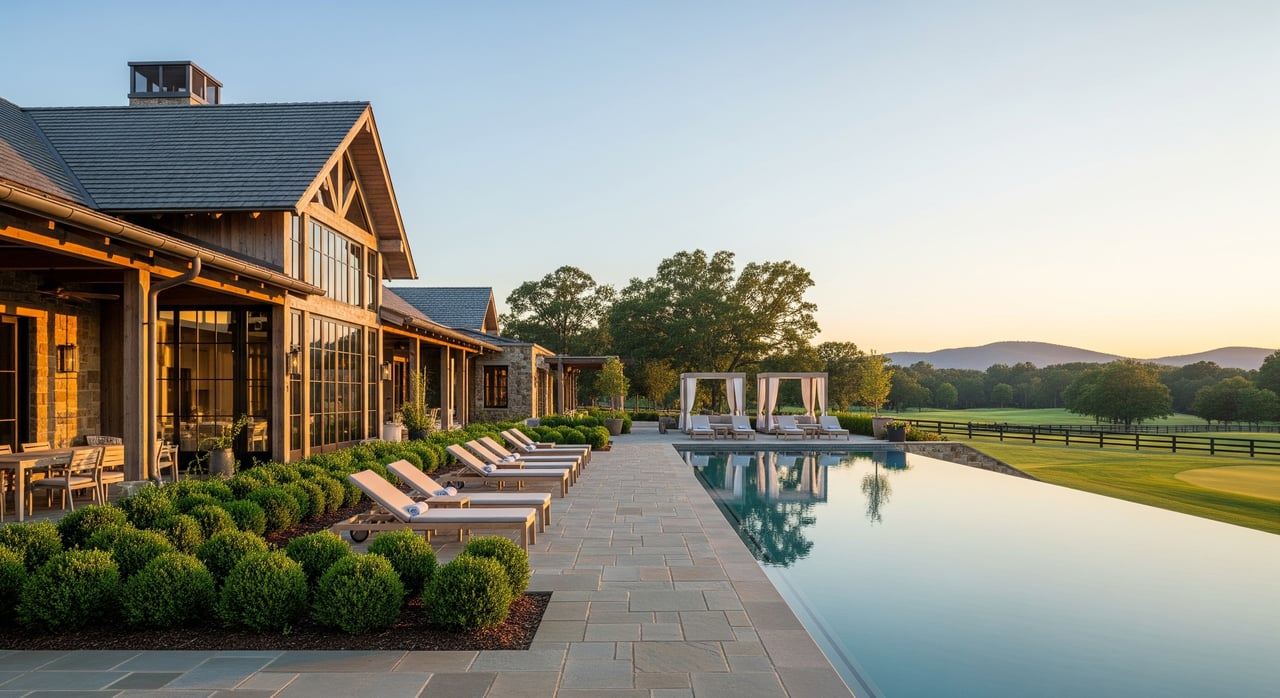
Modern private clubs go far beyond a golf‑first model. You will often find fitness centers, group classes, spa services, walking and biking trails, and curated wellness programming that can include nutrition guidance and preventive health screenings. Many buyers now prioritize on‑site wellness options and convenience when choosing where to live.
Golf remains a major draw in the Carolinas thanks to mild seasons and scenic foothills. Courses are positioned as lifestyle anchors, not just sport venues. Beyond golf, communities highlight hiking, lake access, equestrian options, and mountain views to appeal to buyers relocating from hotter or denser metro areas.
A robust social calendar is a defining feature of today’s clubs. You can expect interest groups, volunteer opportunities, family‑friendly events, arts and continuing education, and seasonal festivals. This programming helps you picture everyday life and builds an instant social network.
Gated entries, private roads, and managed landscaping provide a greater sense of privacy and ease. Many communities offer bundled services like property maintenance, concierge assistance, and amenity scheduling. These benefits are especially helpful for second‑home owners and those planning to age in place.
Large club networks now offer membership tiers with access to multiple properties, guest privileges, and reciprocal arrangements. This structure suits buyers who travel seasonally or want variety without carrying multiple full memberships. The Cliffs is a regional example across North and South Carolina that illustrates cross‑community access, upscale wellness programming, and strong lifestyle branding.
The Cliffs brings together mountain, foothills, and lakeside communities under one umbrella. Amenities typically include multiple golf courses, fitness and spa facilities, dining, outdoor programming, and membership tiers that can provide cross‑community access. This model resonates with second‑home and retiree buyers who want variety and a curated lifestyle.
Greenville Country Club is a private club known for golf, tennis, dining, and social programming. Its city‑adjacent setting appeals to local members who want club life with convenient access to urban amenities. Families and local professionals often choose this path to enjoy core club offerings without moving far from Greenville.
In and around Landrum, Tryon, and Hendersonville, you will find gated neighborhoods with golf, equestrian options, trail networks, and elevated summer temperatures compared with lower elevations. These communities appeal to buyers prioritizing outdoor recreation and scenic settings within reach of Upstate job and healthcare hubs.
Closer to Greenville, newer developments blend on‑site wellness, fitness, and social spaces with easy access to hospitals, universities, and cultural venues. For commuters, remote workers, and active families, this balance of amenities and urban proximity is a strong draw.
Private club living can fit many life stages, but the benefits vary by buyer type. Consider these quick profiles:
Private clubs deliver a lifestyle bundle, and that comes with specific structures and responsibilities. Use this checklist to navigate decisions with clarity.
Choosing the right club community is a lifestyle decision as much as a real estate transaction. You deserve nuanced guidance on membership tiers, dues, governance, and neighborhood culture across both Upstate South Carolina and Western North Carolina. As a boutique, founder‑led brokerage, we deliver a concierge process that includes tailored neighborhood matching, private showings or video tours for out‑of‑area clients, and introductions to membership offices so you can compare benefits with confidence.
Our dual‑state expertise covers mountain, lakefront, golf, and estate properties. We help you test drive the lifestyle, review key documents, coordinate inspections, and position offers to align with each community’s rules. Whether you are relocating, purchasing a second home, or listing a luxury property, we guide the details so you can focus on the life you are buying into.
Ready to explore private club living around Landrum, Spartanburg, and Western North Carolina? Connect with The Light Realty to start a confidential, concierge conversation.
Stay up to date on the latest real estate trends.
home improvements before selling
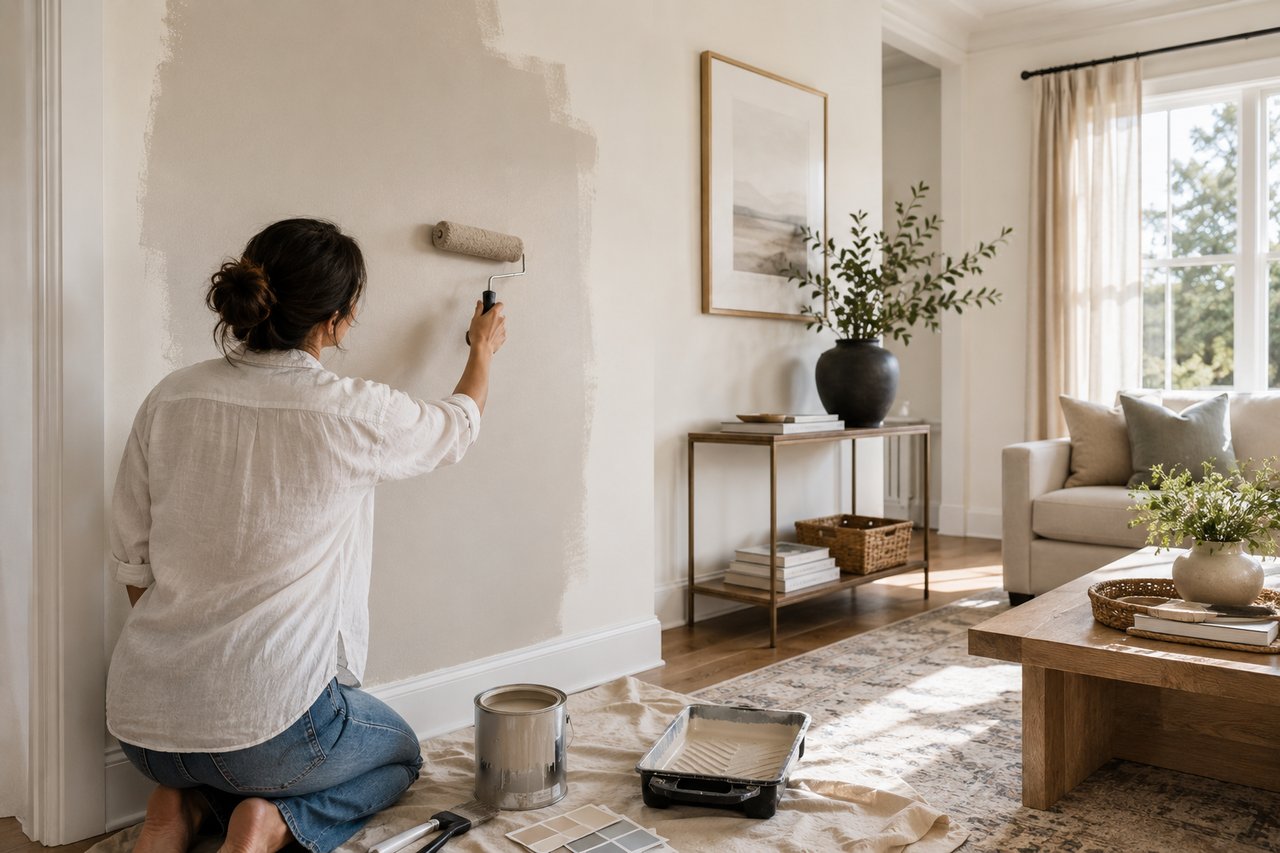
Small, strategic improvements can change how buyers experience your home online, from the curb, and the moment they walk through the front door.
Get In Touch With Our Team To Learn More