July 2, 2026
If you are drawn to horse country but want more than just a pretty view, Landrum deserves a closer look. This corner of Upstate South Carolina blends estate-style acreage, a long-standing equestrian culture, and easy access to major Tryon-area events and facilities. If you are weighing a move, a second home, or a horse property purchase, this guide will help you understand what makes Landrum distinct and what to verify before you buy. Let’s dive in.
Landrum’s identity is closely tied to open land, horse farms, and outdoor living. According to the city’s history, the area is known for a mild climate, horseback riding, hiking, cycling, and a historic downtown core. The city also notes that the Annual Blockhouse Steeplechase is about five minutes from downtown, which gives the town a strong connection to the region’s equestrian traditions.
That combination matters if you want a property that supports a lifestyle, not just a mailing address. In Landrum, you can find the small-town feel many buyers want, while still staying close to the broader horse-country corridor near Tryon. For primary residents and second-home buyers alike, that balance is a major part of the appeal.
One of the biggest differences between a typical rural property and an equestrian property in Landrum is trail access. Many buyers assume trails work like public greenways, but that is usually not the case here. In this corridor, access often depends on private memberships, subdivision rights, or parcel-specific permissions.
The Foothills Equestrian Trails Association, or FETA, says its trail system dates back to the 1920s and includes an estimated 125 to 150 miles in and around Hunting Country. FETA also explains that these trails are privately owned by landowners who allow use by FETA members. The organization was formed in 1993 in part to help preserve trails threatened by development.
This is an important point for buyers. A home may be near the trail network without automatically including the right to use it. If trail access is one of your top priorities, it needs to be confirmed for the specific property you are considering.
FENCE adds another piece to the local trail picture. It has 384 acres dedicated to land preservation and six miles of riding trails that are part of the FETA system. FENCE states that these riding trails are not open to the public and that riders must be FETA members, display a tag, and wear a helmet.
That means proximity to FENCE can be a lifestyle benefit, but it is not the same as open public access. Buyers should think of it as part of a private equestrian network with clear use requirements. That distinction can affect how you evaluate value, convenience, and daily riding plans.
The North Pacolet Association rules show how specific trail use can be in this area. The rules require riders to use only association trails, display an identification tag, avoid dogs and motorized vehicles, and stay off the trails when wet. The waiver also states that trail use is by permission and license only.
For you as a buyer, the takeaway is simple. Never assume that a property described as equestrian, horse-friendly, or trail-adjacent comes with the same rights as another property nearby. The details can vary from one community or parcel to the next.
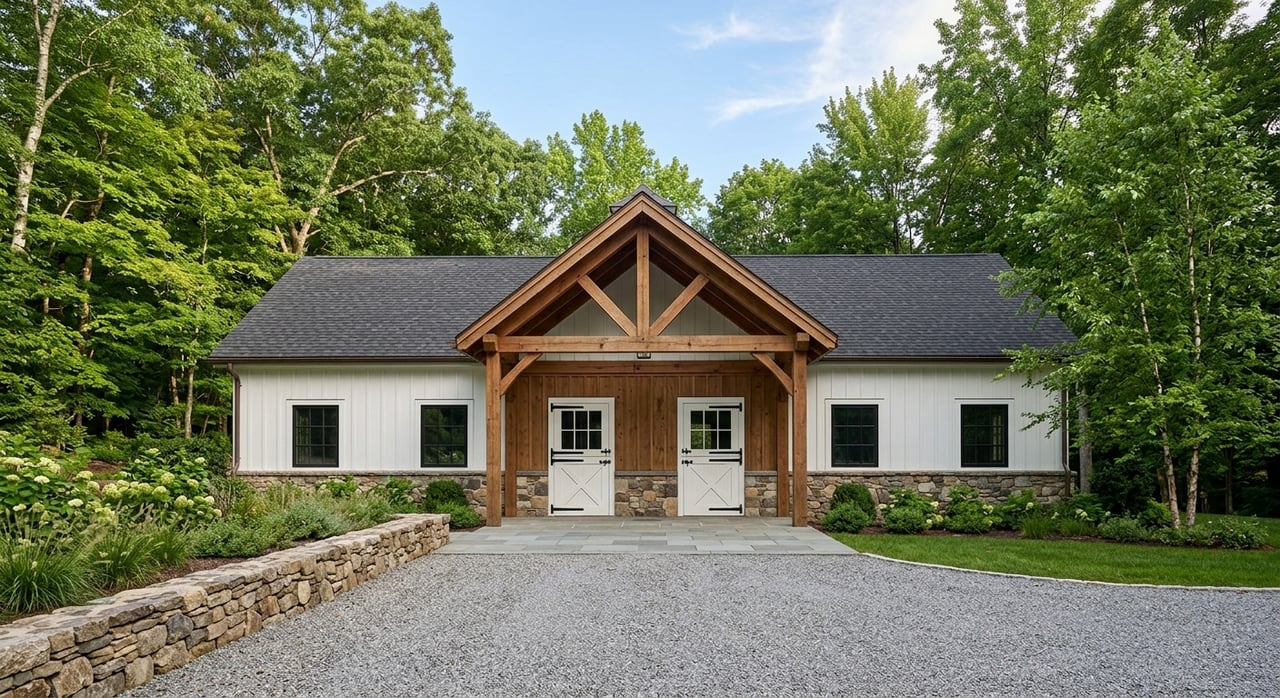
Landrum’s horse-country housing stock is not one-size-fits-all. Some properties are true ride-out acreage, while others are gated or horse-permitted communities with a different set of features. Understanding those differences can help you narrow your search more efficiently.
Current listing data describes Caroland Farms as a large-acreage equestrian enclave in northern Landrum with direct access to the North Pacolet Association private riding trail system. Listings also describe features such as river and creek frontage, pastureland, and protective covenants. One current parcel has been marketed as 27.18 acres with room for a custom estate, barn, and paddocks.
For buyers who want room to create a tailored horse property, Caroland Farms may stand out. Still, because this information comes from current listing descriptions, the specific rights, restrictions, and building potential should always be verified at the property level.
Current community and listing pages describe Gowans Fort as a gated equestrian community in the Gowensville or Landrum area, below Hogback Mountain and near the North Carolina line. One source describes it as having about 30 large-acre homesites and more than two miles of riding and walking trails. Listing data also confirms that it is treated as an equestrian subdivision.
This type of setting may appeal to buyers who want a more defined community feel while still keeping horses in the lifestyle mix. As with any equestrian neighborhood, it is wise to confirm what the trail system includes and whether riding access, horse allowances, and land use options fit your goals.
Current listing data describes Highlands of Oak Grove as a gated community where horses are permitted on some properties. Listings also reference private seclusion, mountain views, private roads, and well and septic service on some parcels. County records show Highlands of Oak Grove in the subdivision covenants index, which helps confirm it as an established local neighborhood name.
This is a good example of why equestrian-adjacent does not always mean the same thing as a dedicated horse community. A property may allow horses while offering a very different experience from a ride-out trail estate. That can still be an excellent fit, depending on how you plan to use the property.
Landrum and Tryon are often evaluated together because they serve different parts of the same broader lifestyle. Landrum tends to offer the quieter estate-property side of the corridor, while Tryon is closely associated with larger event and competition infrastructure. If you are relocating from out of state, this comparison is especially useful.
Tryon International describes itself as a world-class lifestyle destination in Mill Spring, North Carolina. Its equestrian facilities include 13 all-weather competition rings, more than 1,400 permanent stalls, and annual competition dates that run from March through December. That scale gives the area a major draw for riders, owners, and spectators.
If you enjoy being near large-format equestrian events, Landrum gives you access without requiring you to live in the center of the busiest activity. That can be attractive if you want convenience to events along with more privacy and elbow room at home.
The Tryon Riding & Hunt Club, founded in 1925, says it promotes horse activities, preserves trails and carriageways, and supports the equestrian tradition of the Tryon area. The club also states that it sponsors annual events including the Block House Steeplechase Races, which attract more than 20,000 people annually. Landrum’s city history adds that the Annual Blockhouse Steeplechase is just five minutes from downtown Landrum.
That helps explain why Landrum feels so connected to the Tryon-area equestrian scene. Even if your day-to-day life in Landrum is quieter, the region’s signature traditions are still very much part of the local rhythm.
In a market like Landrum, the details matter. Two properties with similar acreage can offer very different ownership experiences. A careful review upfront can help you avoid surprises later.
If a listing mentions trails, ask exactly what that means. You will want to know whether access comes through FETA membership, a neighborhood system, a recorded easement, or a separate permission arrangement. It is also smart to ask about rules for use, guest access, identification tags, and weather-related restrictions.
Some parcels in local equestrian-oriented communities may rely on well and septic service. If you are planning a barn, paddocks, or a custom home, you should verify utility details, site conditions, and any property-specific limitations before moving forward. This is especially important with larger tracts and undeveloped land.
A private trail estate, a gated horse-permitted property, and a large scenic parcel can all look appealing on paper. But they serve different needs. The right fit depends on whether you want daily ride-out access, room to build equestrian improvements, or simply the look and feel of horse country near Tryon.
Landrum’s equestrian market is nuanced. The differences between trail membership, property rights, community rules, and lifestyle access are not always obvious from a quick online search. If you are buying from out of state or looking for a second home, that learning curve can be even steeper.
This is where a concierge-style approach makes a real difference. With the right guidance, you can compare Landrum and the surrounding Tryon-area corridor in a more informed way, narrow in on the type of property that fits your goals, and move forward with more confidence.
If you are exploring equestrian estates, second homes, or relocation opportunities near Landrum and Tryon, The Light Realty offers a high-touch, dual-state perspective to help you evaluate the lifestyle, the land, and the details that matter most.
Stay up to date on the latest real estate trends.
Get In Touch With Our Team To Learn More